
Architecture · 4 min read · 13 November 2025
Why Modern Architecture Endures When It Respects Proportion
The modern houses that still feel right decades on share one quiet discipline: proportion. A look at the restraint, light and scale behind a calm modern interior.
Words by Wolf San Savino
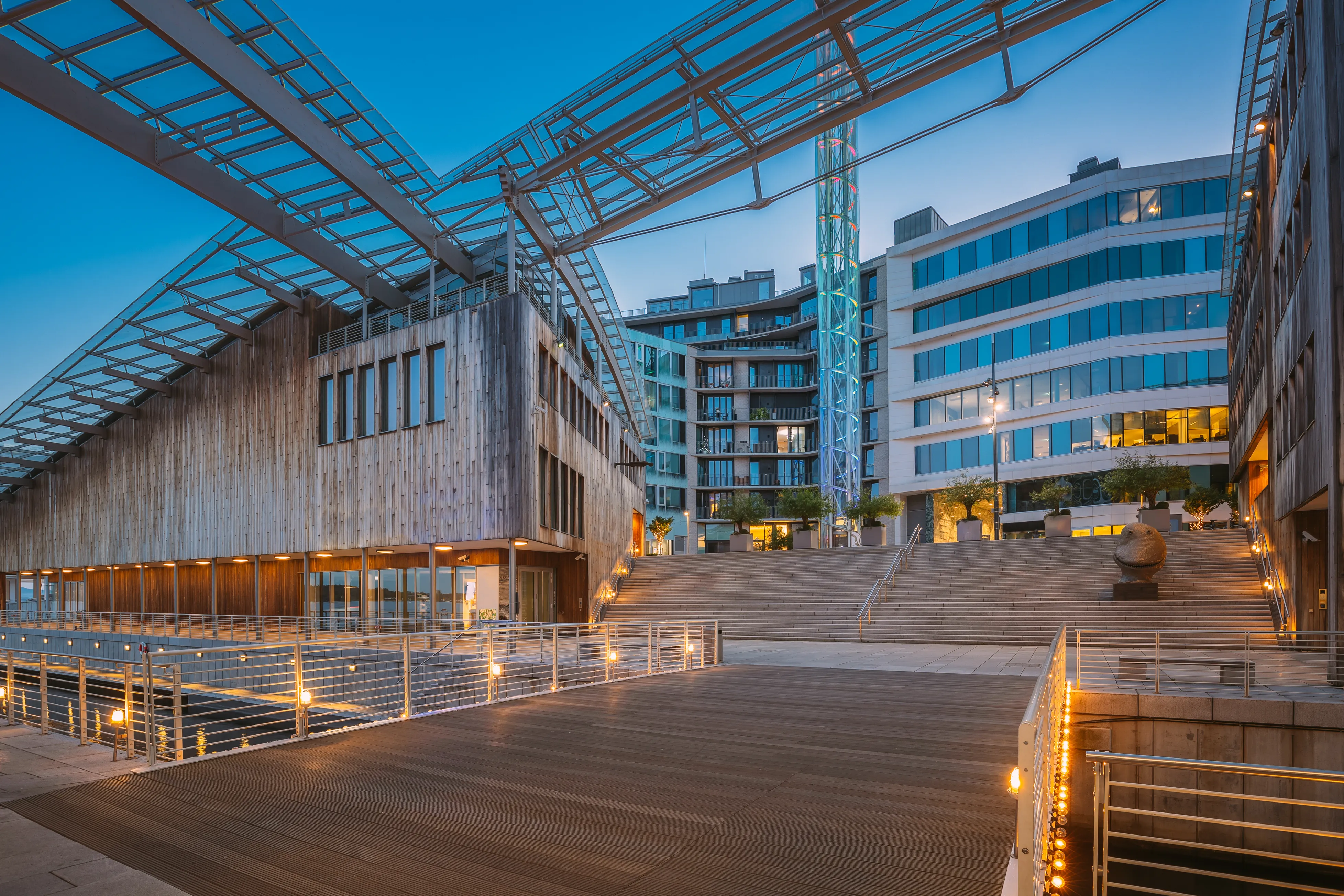
Some modern buildings age into themselves. Others curdle within a decade, looking less like a statement and more like a date stamp. The difference is rarely the budget, and almost never the gadgetry. It is proportion — the oldest discipline in architecture, steadily doing the work that trend and novelty cannot.
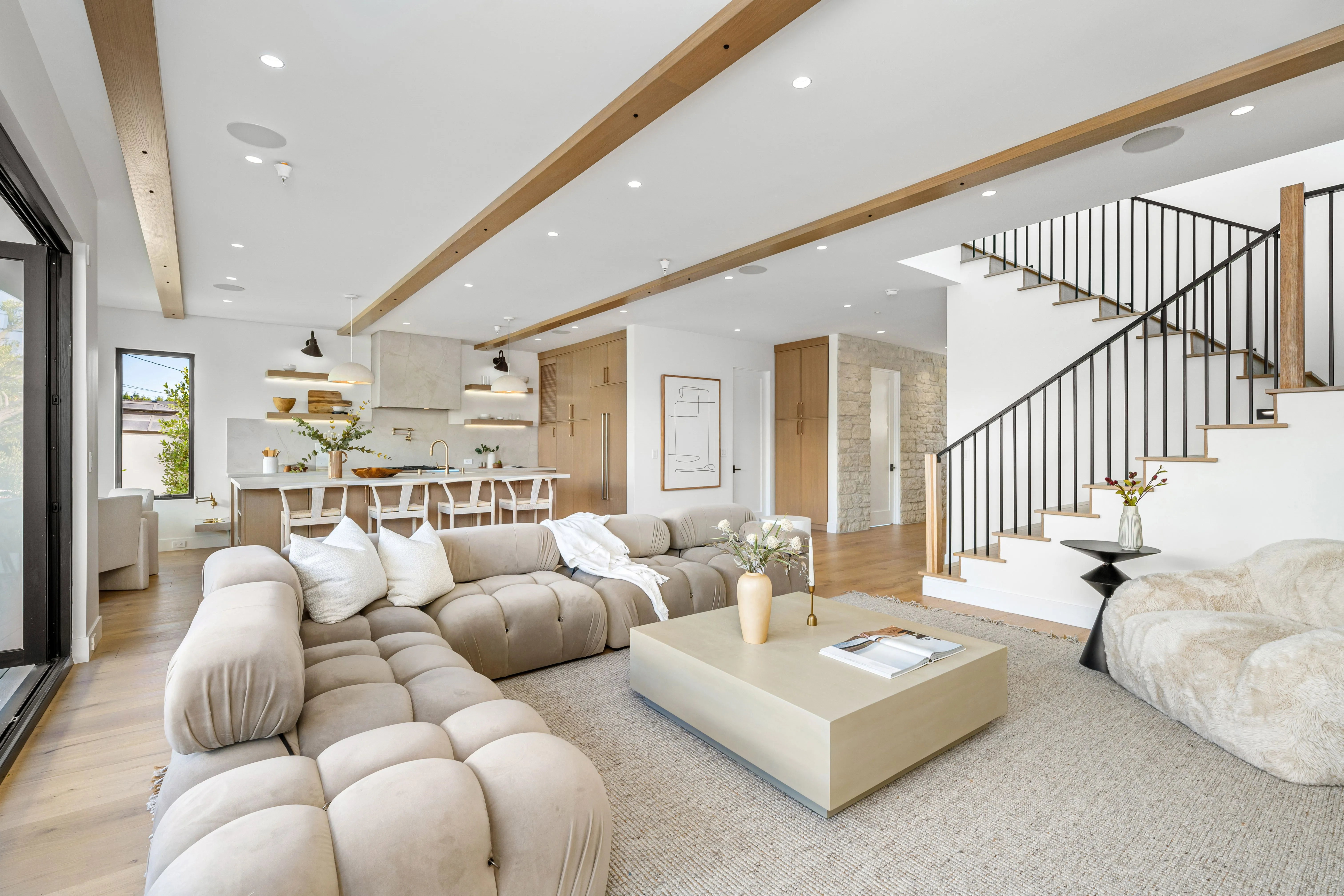
Modernism gets blamed for a great deal of cold, brittle building, and some of that blame is fair. But the movement’s best work was never about stripping warmth out of a home. It was about clarity: removing what was unnecessary so that scale, light and material could speak plainly. When a modern interior feels calm rather than clinical, proportion is usually the reason, even if no one in the room could tell you so.
Restraint is a decision, not an absence
There is a lazy version of modern design that confuses empty with refined. White walls, a hard floor, almost nothing on it — and yet the room feels thin, like a showroom waiting for someone to move in. Restraint that works is not the absence of decisions. It is a great many decisions, most of them invisible.
The width of a reveal where a window meets a wall. The exact height a worktop sits relative to a sightline across the room. Whether a ceiling steps down by a hundred millimetres to mark a threshold you feel rather than see. These are the choices that make a spare room feel resolved instead of unfinished. At Wolf San Savino we spend the most time on the things a client will never consciously notice — because those are precisely the things that determine whether a space feels right or merely looks tidy in a photograph.
Light is the material you cannot order
You can specify oak and brass and stone. You cannot order daylight, and yet it is the most powerful material in any modern home. A well-proportioned room with poor light stays flat. A modest room that handles light well feels generous out of all proportion to its size.
This is where modern architecture earns its keep, when it is done with care. A carefully placed rooflight can pull the sun deep into a plan and let it travel across a wall through the day, so the room is never quite the same at four o’clock as it was at ten. A run of glazing sized to the proportion of the elevation — not simply maximised because glass is available — frames the garden like a painting rather than dissolving the wall into a greenhouse. Light wants discipline as much as anything else. Too little and a space feels mean; too much and it feels exposed, glaring, impossible to settle in. The judgement sits in between, and it is a judgement about proportion.
Scale is a conversation with the body
The reason classical proportion has lasted two thousand years is not nostalgia. It is that it was derived from us: from the height we stand, the reach of an arm, the comfortable span of a step. Modern architecture, at its best, never abandoned that conversation with the body. It simply spoke in a plainer voice.
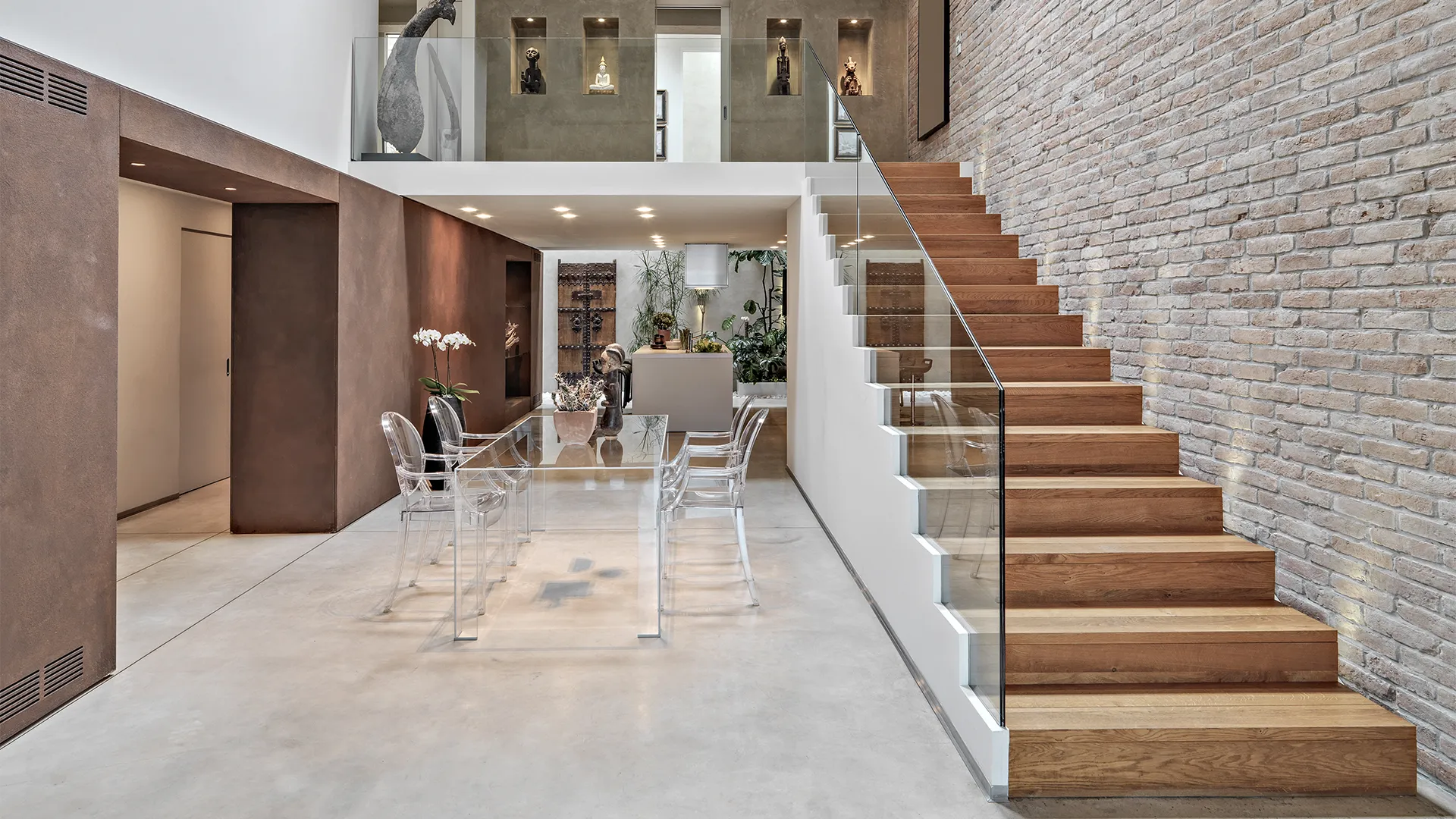
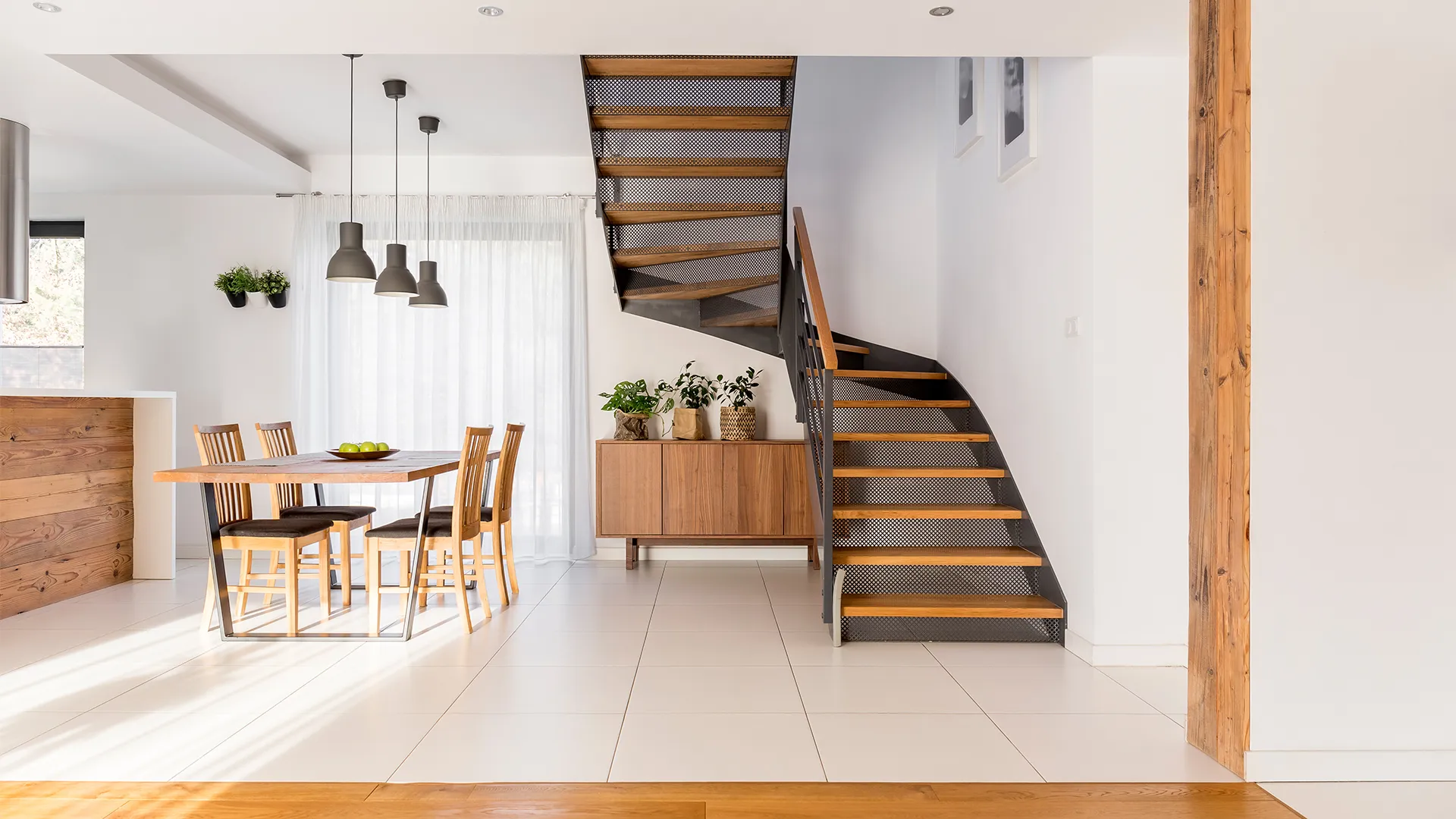
A doorway can be generous without being grand. A ceiling can feel lofty without shouting. A staircase — and we have designed a few sculptural ones — can rise with a lightness that seems to defy its own weight, but only if every riser and tread is tuned to the way a person actually climbs. Get the scale wrong and a modern room reads as either pinched or cavernous, both of which leave the body faintly uneasy. Get it right and people relax without knowing why. They simply feel held by the space.
The discipline behind the calm
Put restraint, light and scale together and you arrive at the quality everyone wants from a modern interior and almost no one can name: calm. It is not a finish you can buy. It is the accumulated result of proportion handled with patience, from the massing of an extension down to the shadow gap beneath a cabinet.
This is also why genuinely modern work tends to endure. A building that leans on a fashionable material or a clever flourish is hostage to the moment that produced it. A building governed by proportion has no such expiry. The trends move on; the relationship between window and wall, between ceiling and floor, between light and the body, does not. Strip away the styling from any modern home that still feels right thirty years on and you will find the same patient discipline underneath. Restraint, light, scale — and the patience to get them in proportion. The rest is decoration, and decoration was always the part that dated.
Considering a project?
We design and deliver homes, extensions and interiors across the UK and Italy. Start a conversation →