
Materials · 5 min read · 5 March 2026
Materials That Age Well: Glass, Limestone, Oak and Brass
The best materials do not stay new — they grow into themselves. A practical look at patina, durability and the choices that reward you over decades, not days.
Words by Wolf San Savino
Walk into a kitchen fitted ten years ago in the wrong materials and you can date it to the season. The high-gloss laminate has chipped at the edges. The trend-led finish that looked sharp in the brochure now looks like a brochure. Walk into one fitted in oak, stone and brass and something different has happened: the room has not aged so much as matured. The surfaces carry the marks of a decade of breakfasts, and they are better for it.
That is the test we apply to every material at Wolf San Savino. Not how does it look on the day of handover, but how will it look after a thousand ordinary days. The materials that pass are rarely the flashiest. They are the ones with the patience to grow into themselves.
Patina is not damage
There is a crucial distinction the best materials understand and the worst ones never will. Some surfaces wear; others patinate. Wear is degradation — the laminate lifting, the cheap coating clouding, the veneer peeling away from whatever it was hiding. Patina is something else entirely. It is a material developing a richer character through use, so that the marks of life become part of its beauty rather than a flaw in it.
Brass is the clearest teacher here. Fresh from the workshop it has a bright, almost brash shine that can feel a little eager. Leave it alone — resist the urge to lacquer it into permanent newness — and within a year or two it mellows to a deep, warm tone, darker where hands fall most often. A brass handle that has been opened ten thousand times tells you, gently, where the life of the house happens. That is not wear. That is a record.
What durability actually means
Durability is often sold as resistance — a surface that nothing can touch, that stays exactly as it left the factory. We think that is the wrong ambition. A material that refuses to change is usually a material pretending to be something it is not, and the pretence fails first.
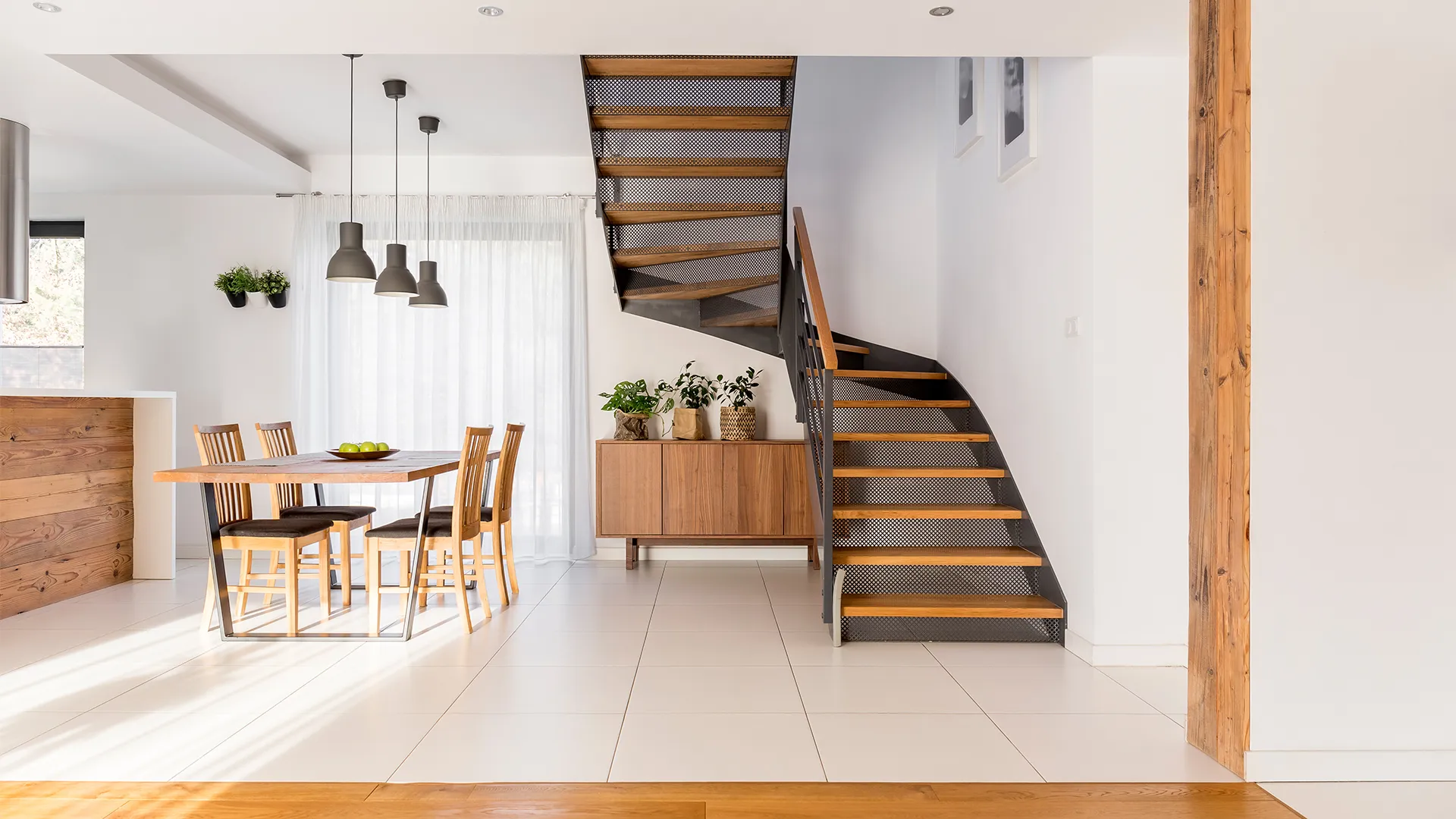
- Oak is the obvious example of honest durability. A solid oak floor or worktop is not impervious; it dents, it marks, it darkens with oil and light. But it can be sanded, re-oiled, lived with and repaired more or less indefinitely. It is a material that forgives, and forgiveness is worth more over decades than a hardness that shatters the first time it is genuinely tested.
- Limestone asks a little patience and rewards it for a lifetime. Underfoot it softens at the edges of a step, taking on the gentle wear of a path walked daily, and it holds warmth in a way no engineered surface manages. It will stain if you neglect it; sealed and cared for, it simply gets better, the way the worn flagstones of an old farmhouse do.
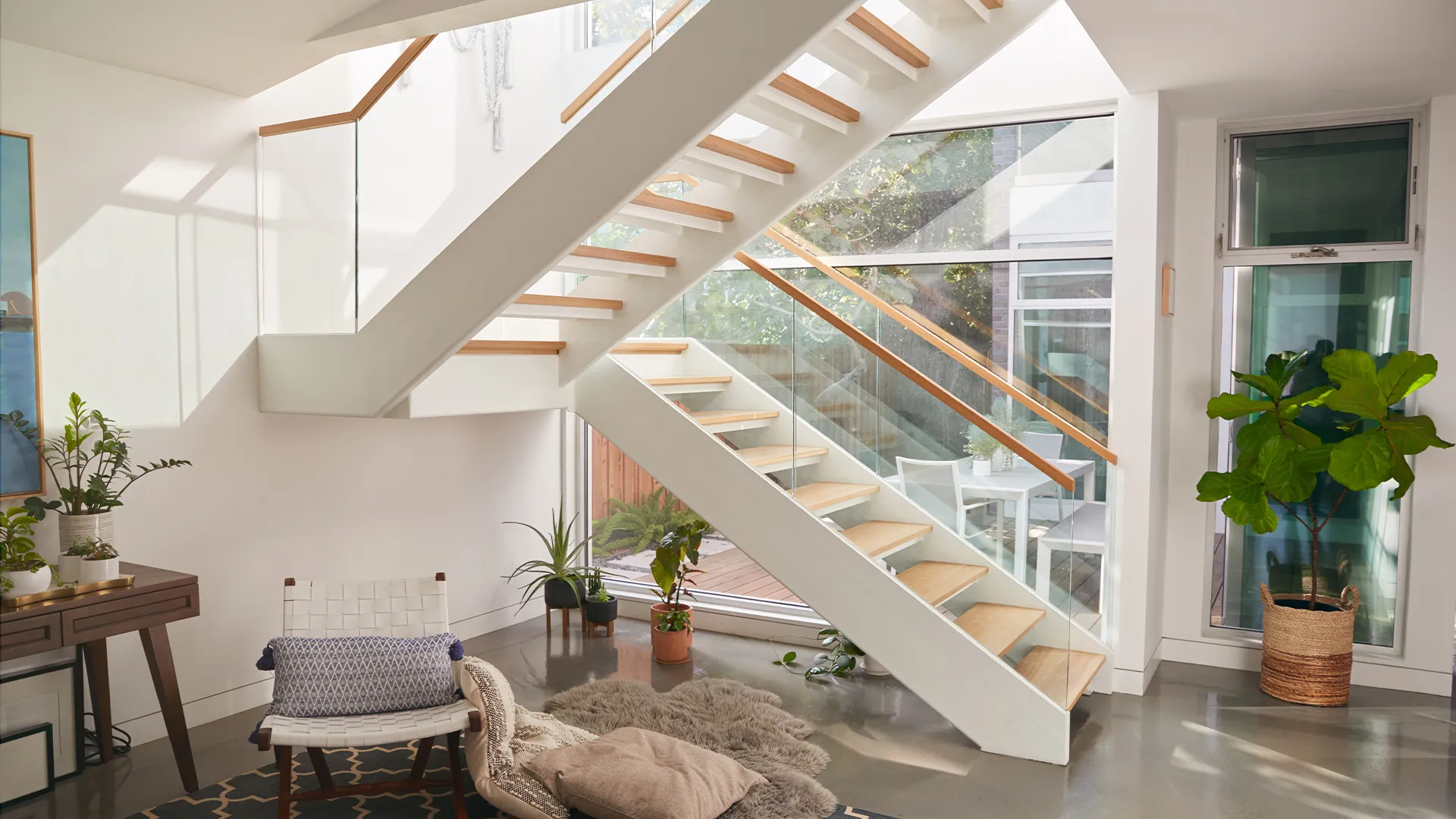
- Glass, surprisingly, belongs in this company. Good glass barely ages at all — and that is precisely its value. In a barn conversion or a modern extension, a generous run of well-detailed glazing stays clear and quiet while everything around it gains character, holding the view steady as the oak darkens and the brass mellows. Its stillness is what lets the other materials move.
The honest choice costs more at the start
There is no avoiding the arithmetic. A solid oak worktop costs more than a laminate that imitates it. Real limestone costs more than porcelain printed to resemble stone. Unlacquered brass costs more in patience, if not always in pounds, because it asks you to accept change rather than freeze it.
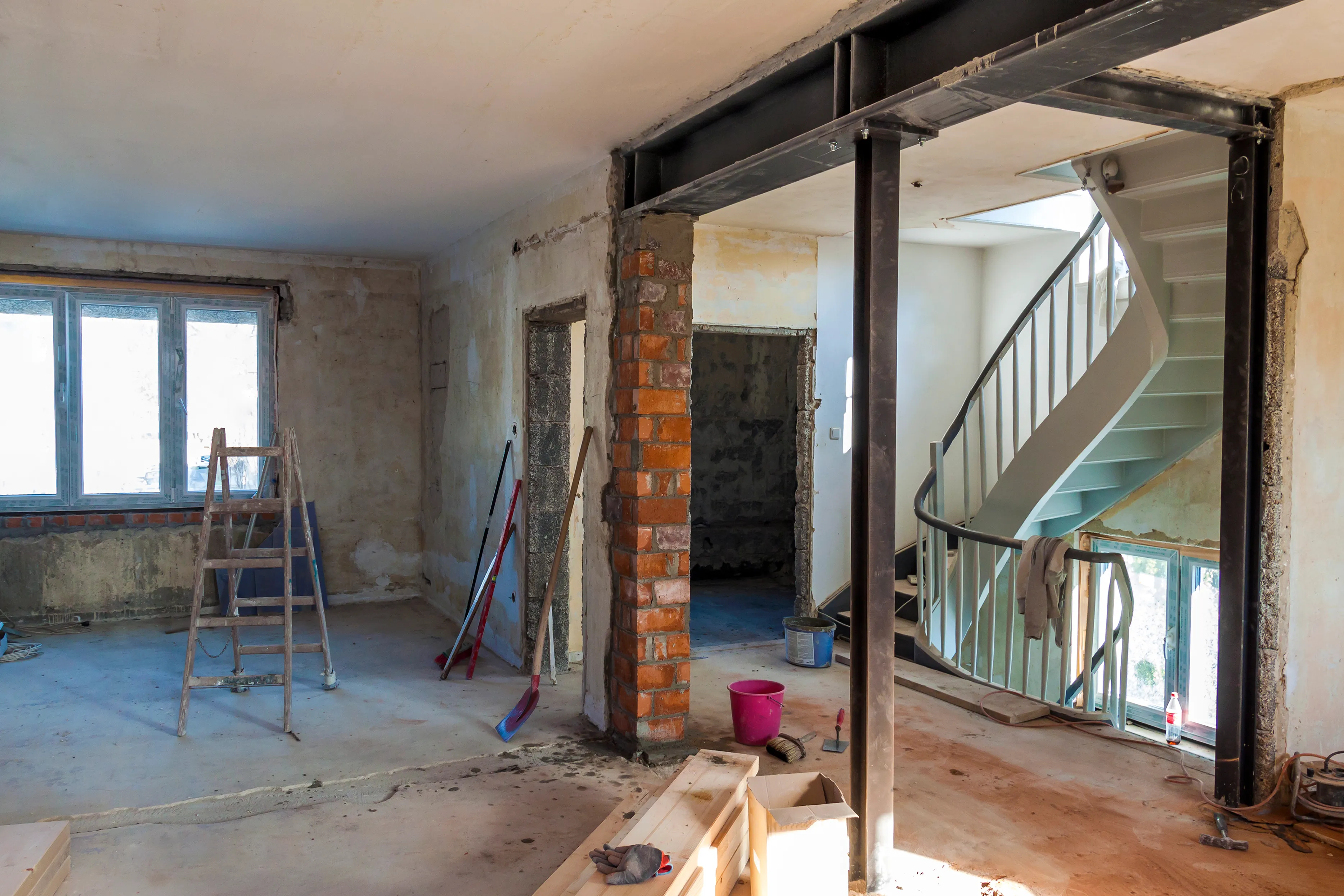
But the sum that matters is not the one on the day of installation. A bespoke kitchen built in honest materials is not a purchase you repeat every decade; it is a foundation you keep and adapt. We have worked on full renovations where the previous owners’ “budget” finishes had to be ripped out within years, the false economy laid bare, while a neglected stone floor underneath was perfectly sound and only needed cleaning. The cheap thing is frequently the expensive thing, paid for twice. The material that ages well is bought once and earns its keep slowly, every year, for as long as the house stands.
Designing for the long acquaintance
Choosing materials this way changes how you design. You stop asking what will photograph best and start asking what you will be glad to live beside in fifteen years. You leave brass unlacquered and trust it. You specify a limestone you are happy to see soften. You let oak be oak, knowing the first scratch is not a tragedy but the beginning of the floor’s real life.
This is the deeper craft, and it is the one we care most about — selecting not for the showroom but for the long acquaintance, the slow conversation between a house and the people in it. The materials we trust are the ones generous enough to change with you. Glass that stays calm, limestone that warms, oak that deepens, brass that remembers the hand. Choose them well at the start and they will repay the decision every single day you live with them.
Considering a project?
We design and deliver homes, extensions and interiors across the UK and Italy. Start a conversation →