
Heritage · 4 min read · 22 July 2025
What Monte San Savino Taught Us About British Homes
A small Tuscan town shaped how we think about proportion, craft and material honesty. Here is how those instincts travel into the houses we design across Britain.
Words by Wolf San Savino
In Monte San Savino, the buildings teach you before anyone speaks. Walk the main street in Arezzo’s hills and you read centuries of decisions in stone: a doorway sized to the body, a loggia that frames the light at a particular hour, a wall left rough where rough is honest and dressed where the eye expects refinement. Nobody printed a style guide. The town simply held to a set of instincts, passed hand to hand, generation to generation. Those instincts are the inheritance Wolf San Savino carries into Britain.
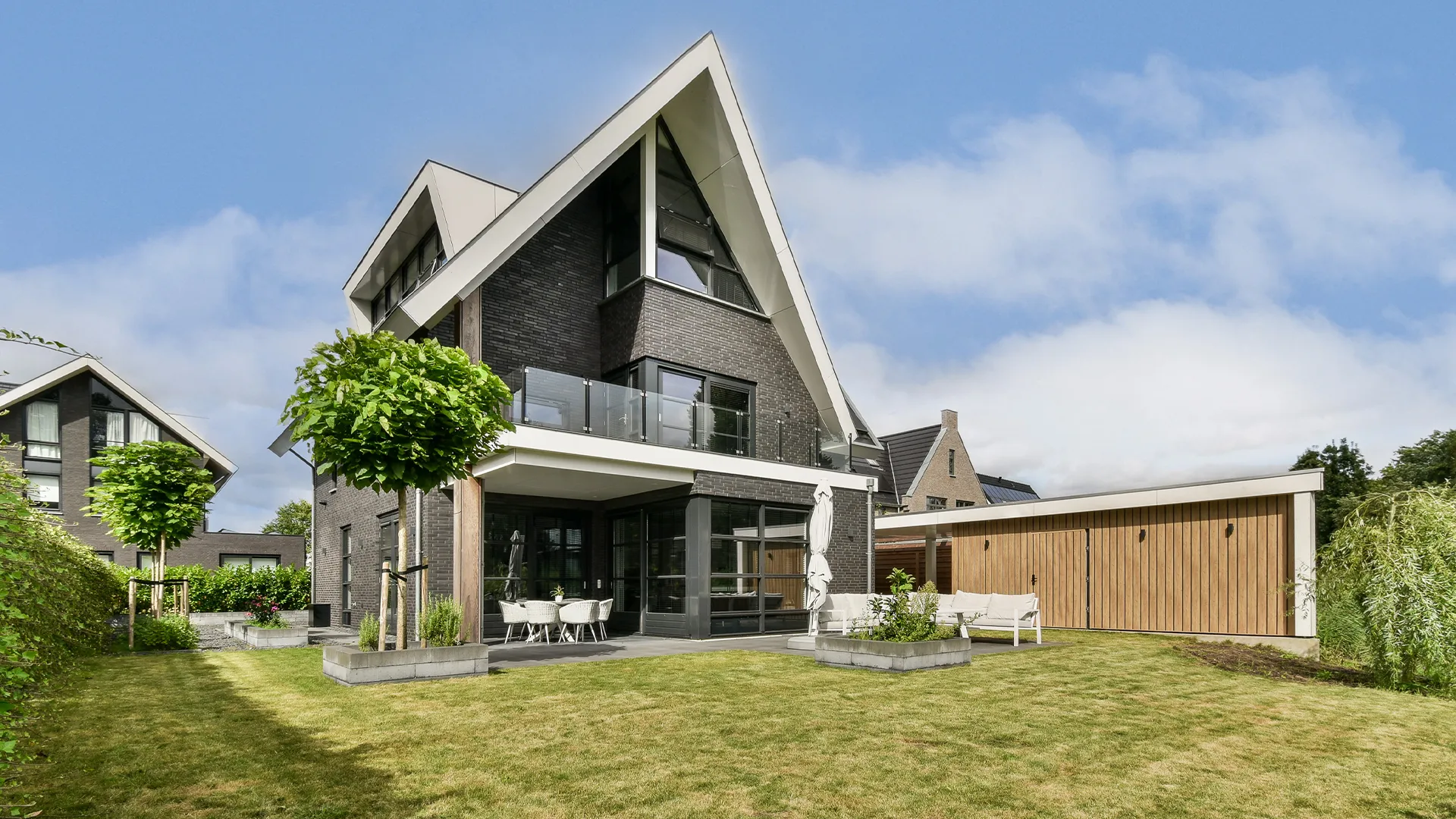
It would be easy to mistake heritage for decoration — to bolt a Tuscan flourish onto a London terrace and call it a tribute. That is not what we mean. The Italian tradition we draw on is not a look. It is a discipline about proportion, artistry and material honesty, and it adapts to a Victorian semi in Britain as readily as it once shaped a farmhouse near Arezzo.
Proportion before ornament
The oldest lesson is also the quietest. Get the proportions right and a room feels calm before you have hung a single picture. Get them wrong and no amount of finishing will rescue it. Italian craftsmen understood the human scale intuitively — the height a ceiling wants to be, the ratio of window to wall that makes a space feel generous rather than exposed, the rhythm of openings down a façade.
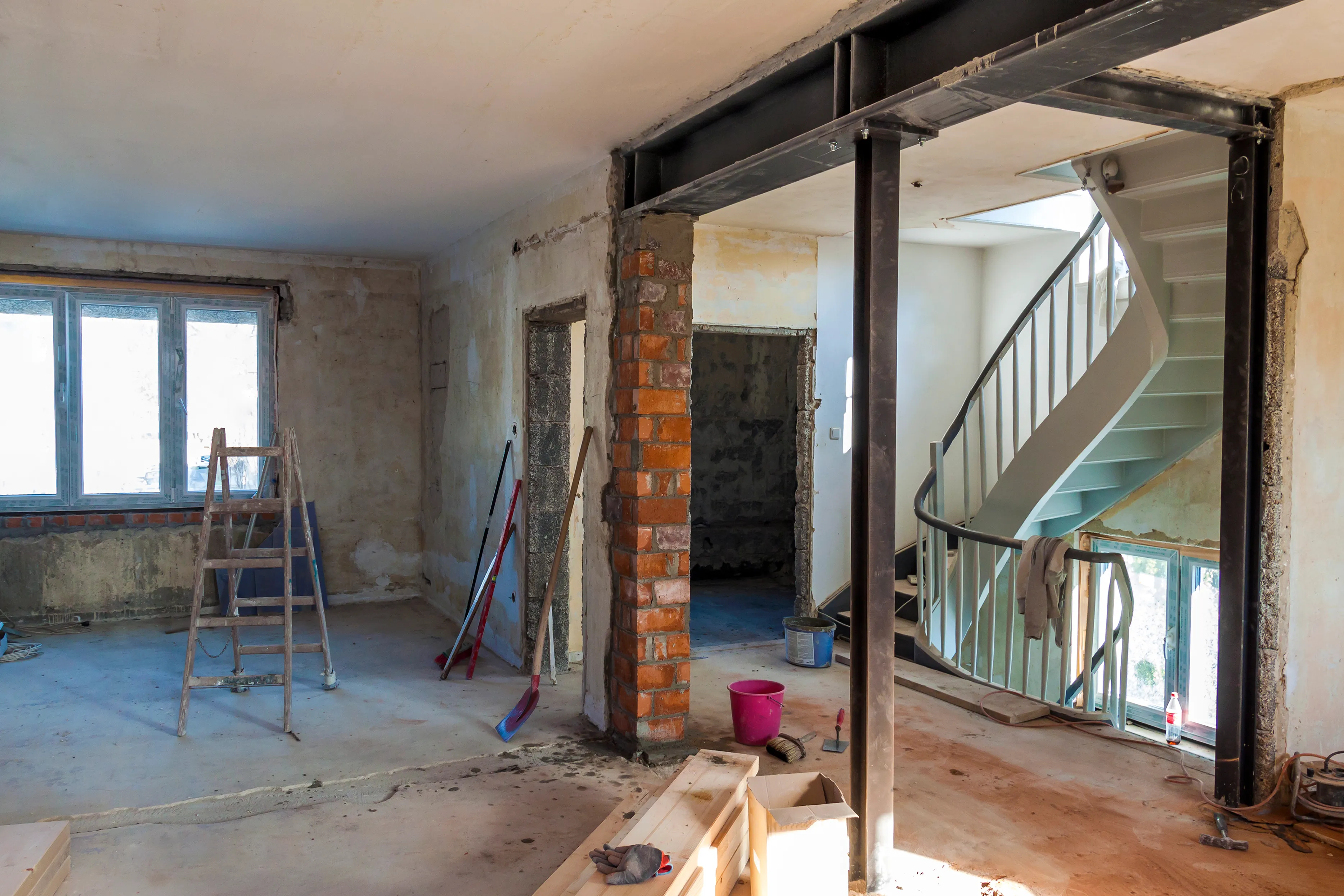
We bring that same patience to a British brief. A home extension is rarely a question of square metres alone; it is a question of how the new volume relates to the old, where the eye travels, how a doorway lands against a run of cabinetry. On a recent full renovation we spent as long on the relationship between two windows and the kitchen island between them as we did on the joinery itself. The clients could not name what changed. They only said the room finally felt right. That is proportion at work, below the level of anyone’s notice.
Material honesty, translated
In Tuscany, materials are allowed to be themselves. Stone reads as stone. Lime plaster carries the slight irregularity of the hand that applied it. Timber shows its grain and, in time, its age. There is no pretence — no thin veneer asked to imitate something heavier, no surface straining to look like another.
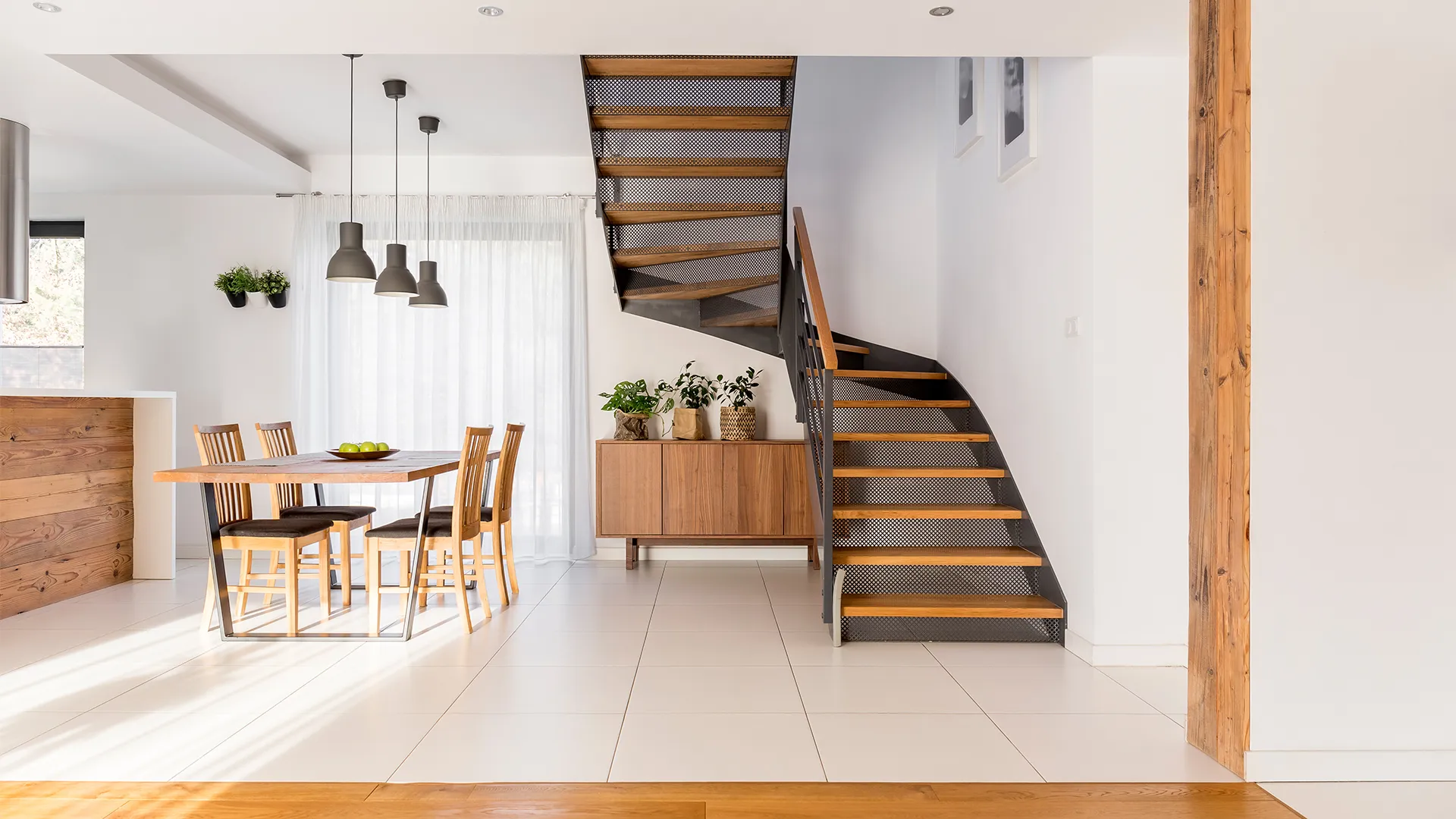
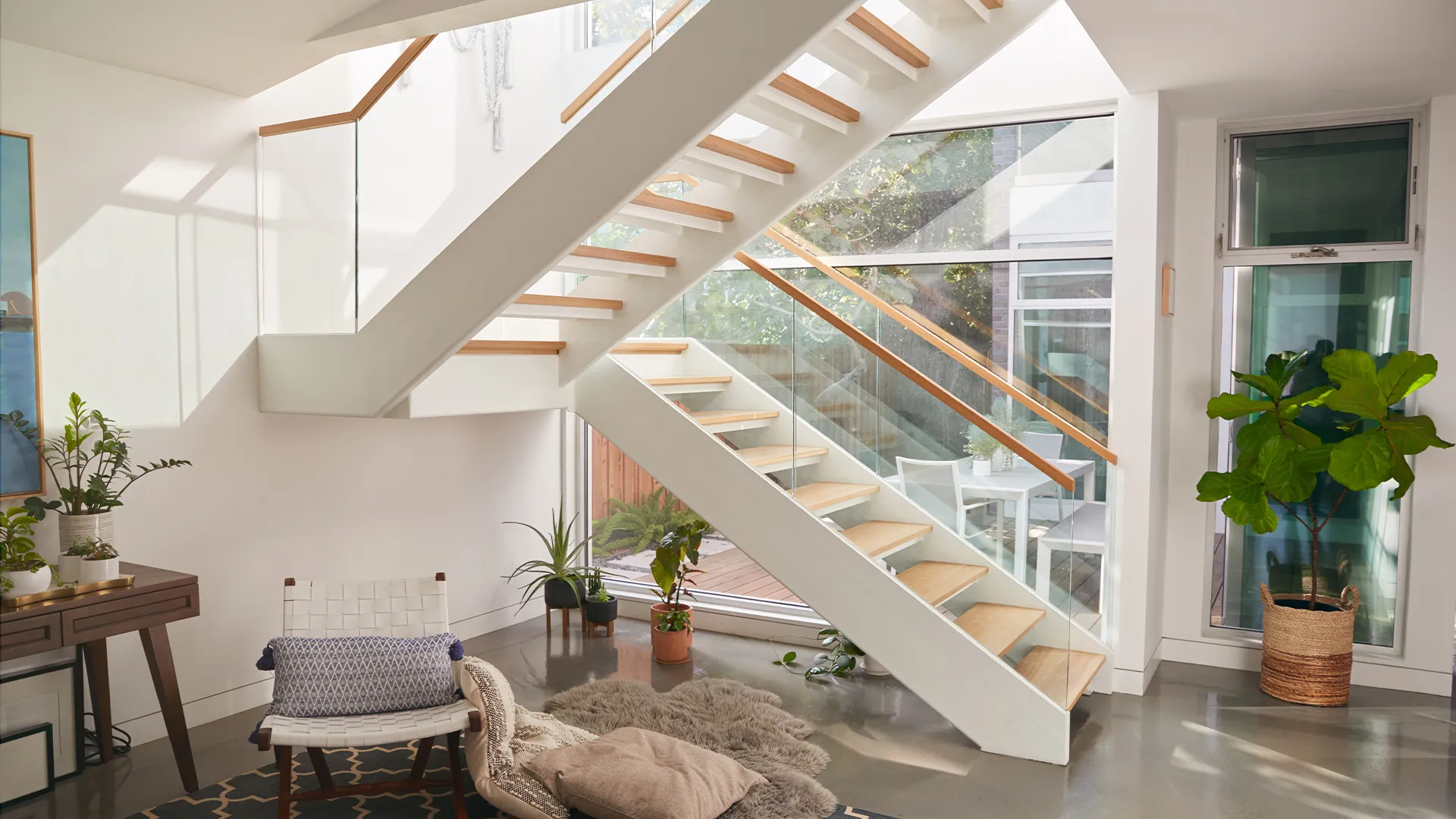
That honesty translates well to the British home, where the best materials reward a long acquaintance. Oak that deepens. Limestone that softens underfoot. Brass that loses its showroom glare and settles into a warmer tone. When we specify a bespoke kitchen or a sculptural staircase, we choose materials that will look better in a decade than they do on the day they are installed. A barn conversion in particular asks for this restraint: the structure already has its own integrity — old beams, bare brick, a generous roofline — and the worst thing a designer can do is paper over it. The Italian instinct says listen to what is already there, then add only what the building wants.
Artistry as a habit, not a flourish
There is a word the craftspeople of Monte San Savino would recognise: mestiere. It means a trade, but also the deep, almost bodily knowledge that comes from doing one thing well for a very long time. The maker who has carved a hundred cornices knows where the chisel wants to go. The plasterer who has finished a thousand walls knows when to stop.
We try to keep that habit alive in how Wolf San Savino works across two studios, one in Mayfair and one back in Monte San Savino. Decor plans, 3D models, urban design schemes — they all begin with drawing and looking, not with a catalogue. Artistry, in this tradition, is not a moment of inspiration applied at the end. It is a way of working that runs through every stage, from the first sketch of a sculptural staircase to the final choice of a brass handle. The flourish, when it comes, is earned by everything underneath it.
Two places, one instinct
What surprises people is how naturally the Tuscan and the British sit together. A modern British home wants light, openness, a certain cool clarity. The Italian tradition offers warmth, proportion and materials with a memory. Put them in the same room and they do not argue. The clean glass extension feels grounded by a plain stone floor. The restrained modern palette gains depth from oak that has been allowed to age. Restraint and warmth, balancing each other.
That is the inheritance, in the end. Not a style to be copied, but a way of paying attention — to scale, to material, to the slow reward of things made well. Monte San Savino taught us to look hard before we build, and to trust that a house designed with that kind of care will keep its dignity long after the fashions that surrounded its making have come and gone.
Considering a project?
We design and deliver homes, extensions and interiors across the UK and Italy. Start a conversation →