
Interiors · 4 min read · 4 November 2025
Building an Interior Scheme With Harmony
A considered room is built in layers, not bought in one go. Here is where to begin so the result feels inevitable rather than decorated.
Words by Wolf San Savino
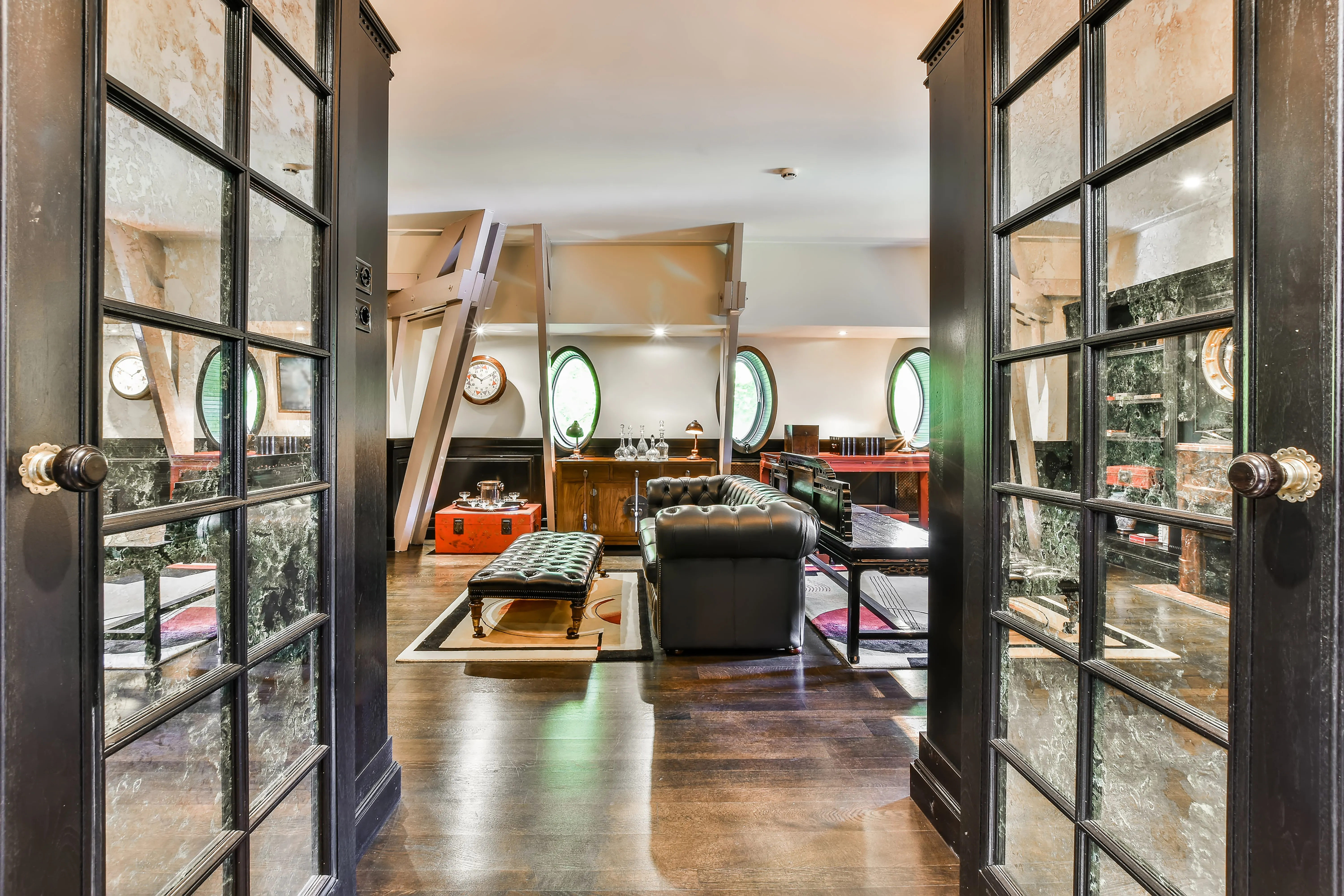
Some rooms put you at ease the moment you step in, though you would struggle to say why. Nothing announces itself, yet everything belongs. The colours sit together without matching, the materials reward a second glance, and the light seems to have been planned rather than left to chance. That ease is the hardest thing to achieve in interiors, and it almost never comes from choosing furniture first. It comes from building the room in the right order — from the bones outward — so each layer answers to the one beneath it.
Most rooms that feel busy or restless were assembled the other way round: a sofa bought on impulse, a paint colour chosen to suit the sofa, a rug to cover the gap, a light fitting added at the end. Each decision was reasonable on its own. Together they argue. A harmonious scheme is not a collection of good objects; it is a sequence of decisions that agree with each other.
Begin with light and the fixed things
Before a single fabric is considered, look at what cannot easily change. Where does the daylight come from, and how does it move through the day? A north-facing room takes cool, steady light and can carry warmer, deeper tones to balance it; a room flooded with afternoon sun can hold cooler, quieter colours without ever feeling cold. The architecture sets the brief, and fighting it is expensive and rarely wins.
Then the fixed materials — floors, stone, joinery, the things that will outlast every cushion. These are the foundation note of the whole scheme, and they deserve to be chosen with the same care as the headline pieces. An oak floor, a limestone hearth, a run of painted cabinetry: settle these and a great deal of the room is already decided, because everything that follows will be chosen to live alongside them. When we begin a project at Wolf San Savino, we spend longer on this layer than clients expect, precisely because it is the layer you cannot redo on a whim.
It helps to name the mood early, in plain words. Calm and earthy. Crisp and pale. Warm and collected. A scheme needs a single intention to measure every later choice against, or it drifts.
Layer material, colour and texture
With the foundation set, the scheme is built up in layers rather than bought as a set. Material first: the timber, stone, metal and plaster that give a room its substance. Colour next, drawn out of those materials rather than imposed on them; the most resolved palettes usually take their cues from what is already in the room, a wall tone pulled from the grain of the floor, an accent borrowed from the veining in a stone.
Texture is the layer most often forgotten, and the one that does the deepest sensory work. A room can be perfectly composed in colour and still feel flat if everything shares the same finish. Contrast is what brings it alive: a rough linen against smooth plaster, honed stone beside a high sheen, a wool rug underfoot where the rest is hard and cool. You feel texture before you can explain it, and it is often what separates a space that photographs well from one that is genuinely pleasant to be in.
Restraint matters here. A coherent room usually rests on a limited palette — two or three principal materials, a tight range of tones, repeated and varied rather than multiplied. Discipline early leaves room for one or two pieces with real personality later: an old table, a bold artwork, a single saturated colour. Those moments land because the rest of the room is calm enough to let them.
Then layer the light
Light deserves its own pass, treated as a material in its own right. A single pendant rarely makes a room; layered light does. A warm ambient wash for the whole space, focused light where you read or cook, a low lamp or two for the evening, perhaps something that grazes a textured wall to reveal it after dark. Plan these together, on separate circuits, and a room can shift from bright and practical by day to soft and gathered by night without rearranging a thing. Light is also where warmth is won or lost; a cool, flat glare can undo the most carefully chosen palette in a second.
A room built this way — foundation, material, colour, texture, light, in that order — arrives at harmony almost by itself, because each layer was chosen to belong to the last. It will not look decorated. It will look considered, as though it could not have been any other way. That, in the end, is the real ambition of good interiors: not to be noticed for any single thing, but to feel, the moment you walk in, simply right.
Considering a project?
We design and deliver homes, extensions and interiors across the UK and Italy. Start a conversation →